Tight staircases Knightsbridge removals for heavy items
Posted on 18/06/2026
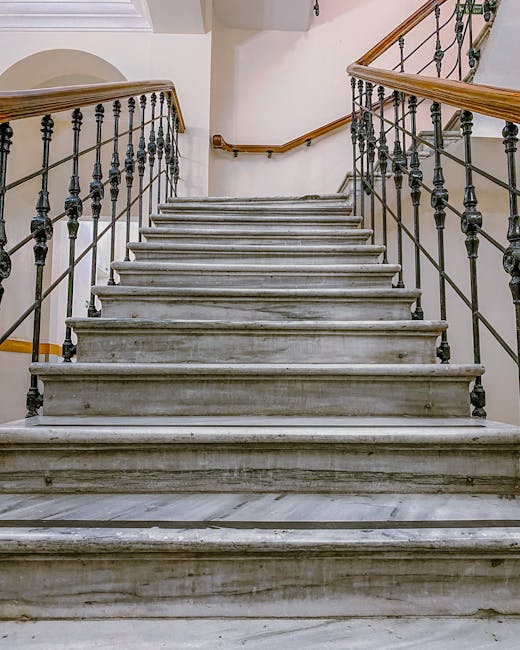
If you have ever looked at a grand Knightsbridge townhouse staircase and thought, well, that's not going to be fun, you're not alone. Tight staircases Knightsbridge removals for heavy items can turn an otherwise straightforward move into a careful, methodical job. The issue is rarely just the size of the item. It's the angles, the landings, the wall finishes, the banisters, and the simple fact that one awkward turn can change everything.
This guide explains how specialist movers approach bulky furniture, pianos, white goods, and other awkward loads in narrow stairwells around Knightsbridge. You'll learn what actually matters before moving day, how the process works, which mistakes cost time and money, and how to judge whether your property needs a different plan altogether.
In a place like Knightsbridge, where elegant period layouts and compact access often meet, a good removal plan is less about brute force and more about preparation. To be fair, that's what saves the day most of the time.
Why Tight staircases Knightsbridge removals for heavy items Matters
Tight stairs change the entire character of a move. A sofa that looked perfectly manageable in the lounge can become impossible once it meets a curved staircase, a low ceiling, or a narrow turn with no proper resting space. In Knightsbridge, that challenge is common in mansion blocks, mews conversions, and older properties with refined but awkward access.
What makes this especially important is the margin for error. Heavy items are not forgiving. A scratched wall is annoying. A dropped corner on polished timber is worse. And if you're moving something like a piano, marble-topped cabinet, American fridge, or oversized wardrobe, the risk multiplies quickly. One slip and you're dealing with damage, delays, or a very tense afternoon.
There's also the human side of it. Moving day is already noisy, busy, and slightly emotional. Nobody wants to stand in a stairwell while two people try to pivot a heavy item by a few stubborn centimetres. Planning for the staircase itself, rather than treating it as an afterthought, makes the whole day calmer.
In practice, the staircase becomes the deciding factor for route, crew size, protection materials, and even timing. That is why experienced movers will ask very specific questions about access before they ever lift a thing.
How Tight staircases Knightsbridge removals for heavy items Works
The process starts before anyone arrives with a van. Good movers usually begin with a pre-move assessment, either from photos, measurements, or a short site visit. They look at item dimensions, stair width, ceiling height, landing space, handrails, and whether the item can be turned on edge or must stay level.
From there, the move is planned backwards. If the object cannot safely pass through the staircase in one piece, the team may need to remove legs, doors, drawers, or wrapping that adds bulk. For some items, such as pianos or large wardrobes, the approach can involve lifting straps, furniture dollies, stair rollers, protective coverings, and a clear route from front door to vehicle.
The tricky bit is not just lifting. It's control. Heavy items need to be balanced, slowed, and guided through awkward geometry. Sometimes the safest route is a slow pivot on the landing. Other times it's a full pause, reset, and reposition. No drama, just patience. Rushing is where trouble usually starts.
In Knightsbridge, access can be further complicated by parking restrictions, busy streets, concierge arrangements, and building rules. A move may need timed arrival, lift booking, or advance permission for loading. If the route from the property to the vehicle is long, or if the building has shared corridors, the team has to protect those surfaces as well.
For wider context on the moving side of this, it can help to look at broader removal services in Knightsbridge and the company's wider services overview, especially if your staircase problem is only one part of a bigger relocation.
Key Benefits and Practical Advantages
The obvious benefit is safety, but that's only the start. The real value comes from reducing friction. When a team understands how to move heavy items through tight staircases, the entire job tends to feel more controlled and less stressful.
- Less risk of damage: walls, skirting boards, banisters, and item corners are protected more effectively.
- Faster decision-making: the crew can judge quickly whether an item should be tilted, dismantled, or carried in another direction.
- Better protection for the item: heavy furniture is less likely to be strained, twisted, or chipped.
- Improved safety for everyone: fewer awkward lifts mean fewer accidents and less fatigue.
- More predictable timing: when access is understood in advance, the job is less likely to stall halfway up the stairs.
There's also a practical financial angle. A move that is planned properly often costs less overall because it avoids last-minute surprises, extra call-out time, and emergency solutions. You may still need a specialist vehicle or an extra pair of hands, but you're paying for a controlled process rather than improvisation.
If your move is a mixed one, with bulky furniture plus general household items, it can be useful to compare options with furniture removals in London or a more flexible man with a van in Knightsbridge setup. The right choice depends on scale, access, and how much dismantling is possible.
Who This Is For and When It Makes Sense
This kind of service makes sense for anyone whose property has limited turning space, steep stairs, or delicate surfaces that cannot take repeated contact. In Knightsbridge, that often means residents in upper-floor flats, period homes, managed blocks, and buildings with narrow internal access.
It is especially relevant if you are moving:
- a piano or upright musical instrument
- a large sofa or chaise with rigid arms
- a king-size bed frame or headboard
- heavy cabinets, sideboards, or wardrobes
- exercise equipment, safes, or bulky office furniture
- white goods with awkward depth and weight
It also makes sense when the staircase is not just narrow, but awkwardly shaped. A straight flight is one thing. A curved staircase with a tighter-than-you-expected turn is another. Add polished plaster, high-end finishes, or a busy concierge entrance, and the whole thing becomes more delicate.
Maybe you are moving into Knightsbridge after purchasing a property, or perhaps you're preparing to sell. Either way, the home itself matters. Readers looking at local property decisions often find value in guides such as purchasing real estate in Knightsbridge and smart real estate investments in Knightsbridge, because access and layout are not just moving issues; they're property issues too.
Step-by-Step Guidance
If you want the move to go smoothly, treat the staircase as part of the inventory. Here's the practical order that tends to work best.
- Measure the item first. Write down height, width, depth, and any protruding parts like handles, legs, or finials.
- Measure the staircase and landings. Don't guess. Measure the narrowest point, the turn, and the clear height above the handrail if possible.
- Take photos from multiple angles. A picture of the staircase from the bottom, top, and landing can reveal issues that a quick look misses.
- Identify anything removable. Legs, doors, shelves, mattresses, and drawers can sometimes reduce the effective size.
- Protect the route. Use covers on floors, banisters, corners, and door frames before the item moves.
- Assign roles. One person leads, one steadies, and one watches clearance. Too many voices can make a simple manoeuvre messy.
- Test the route mentally. Think through the turn. Where will the item pivot? Where can it pause safely?
- Move slowly and stop early. If the angle looks wrong, stop before the item starts dragging or twisting.
- Use the right equipment. Straps, sliders, blankets, and trolleys make a real difference.
- Recheck the destination. Sometimes the item fits the staircase but not the room it is entering. Annoying, but common.
One small but useful point: if the staircase feels borderline, do not wait until the item is halfway up before making a decision. That is how people end up in those slightly tragic situations where everyone is suddenly quiet and pretending to think.
Expert Tips for Better Results
Here's the sort of detail that makes a real difference in Knightsbridge, especially with heavy or valuable items.
Use photos with scale. A picture of the staircase helps, but a picture with a tape measure in shot is better. Even better again is a video walk-through at normal walking speed. That gives a moving team a sense of clearance and turning rhythm.
Remove friction before the item arrives. Rugs, coat stands, umbrella baskets, and hallway clutter can sound harmless. They are not harmless when you're trying to rotate a long cabinet in a cramped stairwell.
Think about the weather. A wet London morning means slippery steps, damp shoe soles, and a bit more risk at the front door. It sounds obvious, but it gets missed a lot.
Protect luxury finishes properly. Knightsbridge properties often have painted walls, polished bannisters, and high-spec flooring. Good protection is worth the time. A rushed move through an elegant stairwell can leave marks you'll notice every day.
Plan the move around the item, not the clock. If the item is awkward, a slightly earlier start is better than trying to squeeze it in after another job. Heavy items and deadlines rarely get on well together.
Use specialist help for fragile weight. A grand piano, marble table, or antique cabinet may need a dedicated service such as piano removals in London or another expert handling approach. Weight is one thing; value and fragility are another.
Common Mistakes to Avoid
The most common mistake is assuming that "it got up the stairs before, so it will be fine." Buildings change. Furniture changes. People also tend to forget how much easier something looks when it's empty, or when the delivery crew last time had different equipment. Same building, different story.
- Not measuring properly: guessing often leads to delays once the item is already onsite.
- Ignoring turning space: a staircase may be wide enough in theory, but useless at the landing.
- Forgetting to remove components: a door hinge or sofa leg can be the difference between success and a complete blockage.
- Overpacking the item: too much wrap can make it bigger and harder to manoeuvre.
- Underestimating fatigue: a tired crew makes clumsy decisions, and heavy items punish clumsy decisions.
- Not checking building rules: some properties have access windows, lift bookings, or loading restrictions that must be respected.
- Choosing the wrong vehicle or team size: the move may need more than a standard carry-and-go approach.
There's also a subtle one: not checking what will happen after the item reaches the room. A heavy object may fit the staircase but still need a second plan to get through an internal door, narrow corridor, or split-level layout. It happens more often than people expect.
Tools, Resources and Recommendations
You do not need a warehouse of specialist gear for every move, but the right kit helps. For tight staircases and heavy items, the essentials usually include:
- removal blankets and padded wraps
- corner protectors for walls and banisters
- lifting straps or harnesses
- furniture sliders for short repositioning
- sturdy trolleys or dollies where the route allows
- non-slip gloves for grip and control
- basic dismantling tools for legs, fittings, and fixtures
- tape and labels so removed parts stay with the correct item
On the planning side, a simple checklist, a tape measure, and a phone camera are genuinely useful. Nothing fancy. A lot of problems are solved by a clear photo and a calm conversation before move day.
For broader planning around moving in the area, you may also find these resources useful: removals in Knightsbridge, home removals in Knightsbridge, and flat removals in London. If your move is smaller or more flexible, a removal van in Knightsbridge may be the better fit.
Law, Compliance, Standards, or Best Practice
For heavy-item removals, the most important point is not a legal loophole; it is careful, competent practice. In the UK, moving teams are expected to work in a way that protects people and property, follows sensible lifting practice, and respects building access arrangements. In plain English, that means avoiding unsafe lifts, using equipment correctly, and planning the job before muscle comes into play.
If a move involves stairs, building managers may require advance notice, lift reservations, loading permissions, or time restrictions. That is common in managed blocks and high-value residential buildings. You should also expect any reputable mover to be clear about insurance cover, item handling, and what happens if access turns out to be more difficult than expected.
Best practice also includes honest quoting. If a company has seen your staircase photos and still promises a fixed plan without asking anything, that should raise an eyebrow. Not panic, just an eyebrow. Good movers want enough detail to do the job properly and safely.
For peace of mind, it is sensible to review insurance and safety information alongside the company's health and safety policy. If you're comparing providers, the page on removal companies in London can also help you think through service quality and expectations.
Options, Methods, or Comparison Table
There is more than one way to tackle a tight staircase move. The right choice depends on the item, the property, and how much risk you can comfortably accept.
| Method | Best for | Strengths | Limitations |
|---|---|---|---|
| Carry via staircase | Items that fit with careful turning | Direct, efficient, usually cheapest | Depends heavily on clearances and crew control |
| Dismantle first | Wardrobes, beds, some furniture sets | Reduces bulk and improves manoeuvrability | Needs time, tools, and reassembly care |
| Specialist lifting method | Pianos, antiques, very awkward loads | Better control for high-risk items | May need extra planning and expertise |
| Alternative route or access point | Properties with impossible internal stairs | Can avoid the main bottleneck entirely | May require permissions or more complex logistics |
In some Knightsbridge properties, the staircase is simply not the best route. A side entrance, service lift, or alternative loading point may be more practical. If the area around the property is tight as well, local route planning matters too; the guide to best routes for removals near Knightsbridge Tube Station is a useful example of how access planning can shape the whole move. For particularly tight neighbourhood layouts, the article on narrow access solutions on Sloane Street is also relevant.
Case Study or Real-World Example
A realistic example: a client in a Knightsbridge mansion block needed a heavy sideboard moved from a second-floor flat. The staircase was elegant but narrow, with a bend at the first landing and a polished wall finish that looked beautiful and slightly unforgiving. The item was too large to carry flat, but it could be safely moved on its side after removing the legs and doors.
The crew measured the item, protected the route, and tested the angle before committing to the stairwell. They paused once at the landing, reset the position, and continued with slow, controlled movement. No heroics. No rushing. The sideboard reached the room intact, and the walls stayed clean.
Now, if you're wondering whether that sounds boring, that's kind of the point. The best heavy-item move often looks uneventful from the outside. A bit of tape, a few quiet instructions, one or two deep breaths. Job done.
In a different scenario, the same staircase might have ruled out the move entirely without a different access point. That is why a real assessment matters more than assumption.
Practical Checklist
Before moving day, work through this list:
- measure the item accurately, including protruding parts
- measure the staircase, landings, and door openings
- take clear photos or a short video of the access route
- confirm whether any parts can be removed
- check building access rules, timings, and permissions
- protect floors, corners, and banisters
- confirm the crew size and equipment needed
- plan where the item will be placed once it arrives
- allow extra time for awkward turns or pauses
- review insurance, safety, and terms before the move
Expert summary: if the staircase looks tight, treat it as a planning problem, not a lifting challenge. Measure carefully, protect the route, and choose the method that reduces risk, not the one that feels quickest in the moment.
Conclusion
Tight staircases in Knightsbridge are not unusual, but they do deserve respect. Heavy items can be moved safely through awkward spaces when the route is measured, the equipment is right, and the team knows when to slow down. That mix of preparation and judgement is what makes the difference between a smooth day and a stressful one.
If your move includes bulky furniture, a piano, or anything expensive and awkward, it is worth choosing a service that understands both the property and the pressure. That is especially true in Knightsbridge, where access, finishes, and timing often matter as much as the item itself.
Get a free quote today and see how much you can save.
And if today's one takeaway is simple, let it be this: a careful move is never a waste of time. It's usually the reason everything arrives in one piece.










.png)
.png)